Manganese Poisoning in Serenje
The manganese mining industry holds considerable economic importance for Zambia. Zambia currently ranks as the 12th largest exporter in the world, with the main export markets being China, South Africa, Mauritius, and India. With the rise in global demand...
 Black-and-white sketch treatment based on supplied Serenje manganese story reference art.
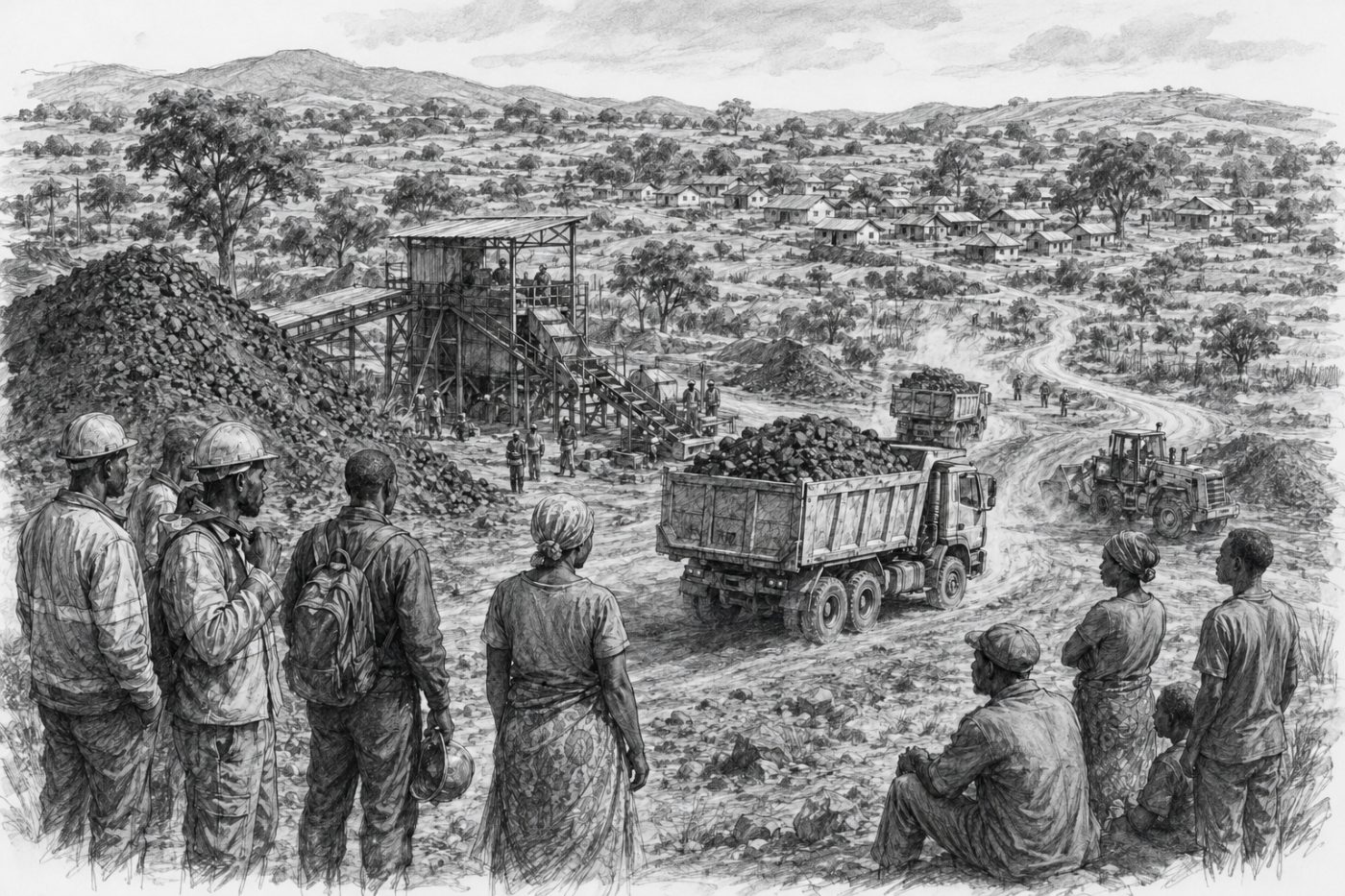
The manganese mining industry holds considerable economic importance for Zambia. Zambia currently ranks as the 12th largest exporter in the world, with the main export markets being China, South Africa, Mauritius, and India. With the rise in global demand, manganese mining has substantially developed in Serenje and Chitambo districts, as well as in other districts around Zambia, and has brought with it positive expectations for economic growth and job creation.
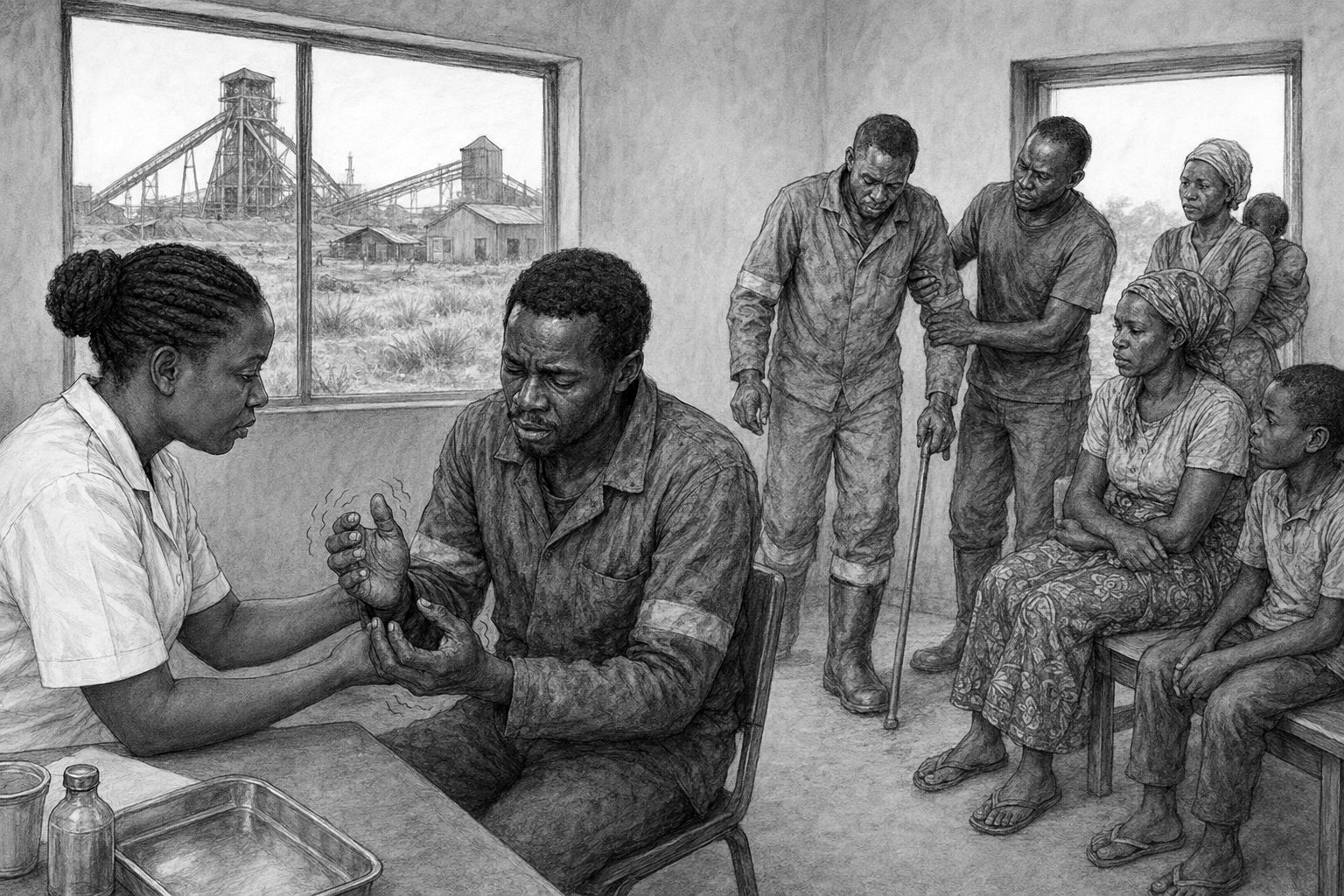
While the manganese mining industry has benefitted extractive communities, it can also pose significant threats to human health and the environment. “Manganese, an essential nutrient in small quantities, becomes toxic when present in excessive amounts and can have detrimental impacts on various organ systems. Manganese toxicity can result in a permanent neurological disorder known as ‘manganism’ with symptoms that include tremors, difficulty walking, and facial muscle spasms. It can also lead to respiratory issues, hepatic and renal dysfunction, and reproductive health issues” (Centre for Environment Justice, 2023). The most affected individuals tend to be mineworkers and factory workers, but also the communities living near mining and processing facilities.
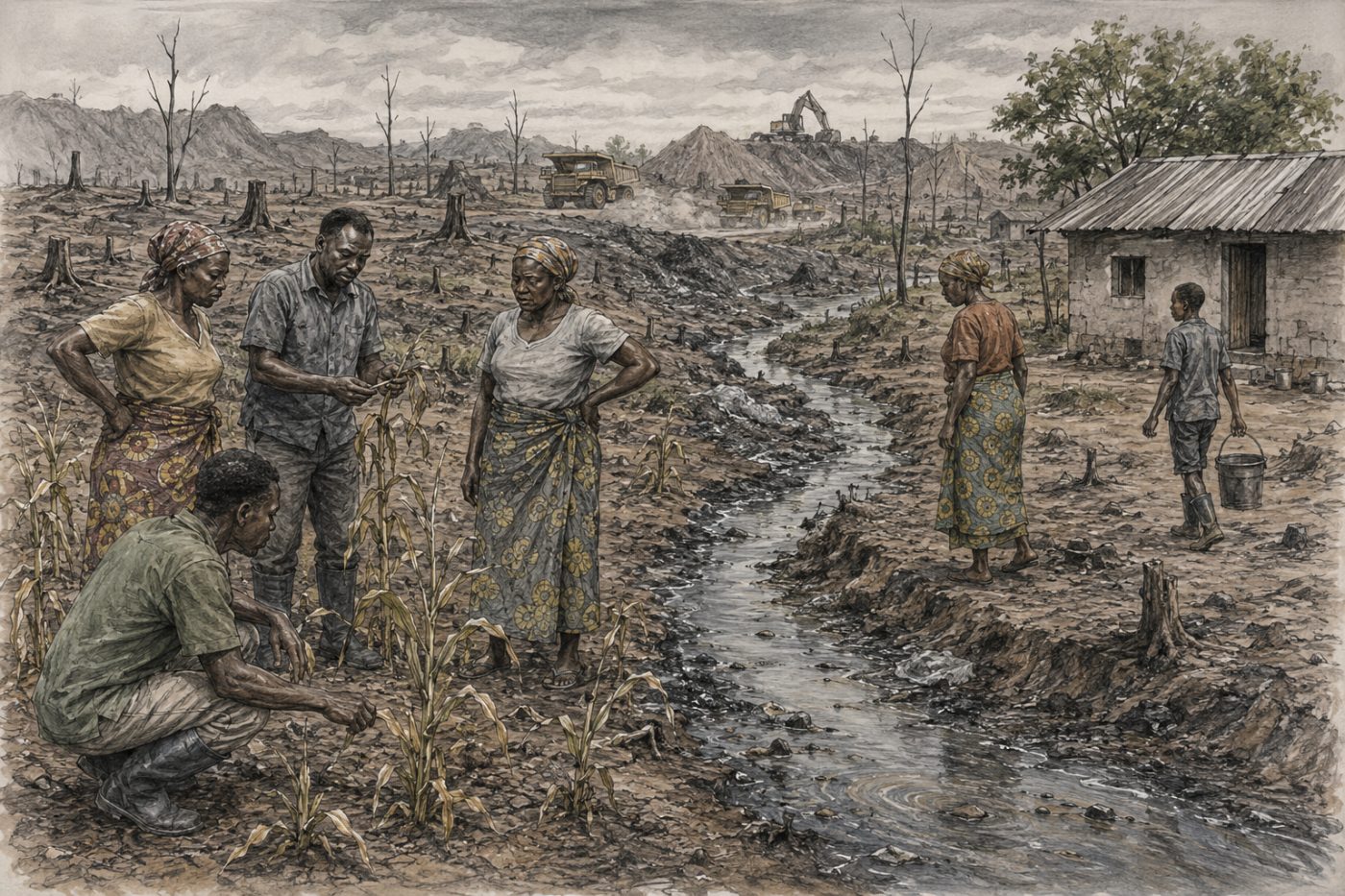
In terms of the adverse environmental impact of manganese, research has documented that excessive quantities of manganese, especially through the improper disposal of mining waste, lead to soil contamination, water pollution and ecosystem disruptions. This in turn may trigger deforestation and reduce crop yields.
Unfortunately, this ‘potential threat’ became very evident in 2022 in Serenje and Chitambo districts, when whistleblowers alerted authorities at first, and then the Centre for Environment Justice about the outbreak of a mysterious disease affecting mine workers.
A CEJ-led investigation found that “a permanent brain-damaging health condition with symptoms similar to Parkinson’s disease had hit about 28 workers at Indian-owned manganese processing company known as Southern Africa Ferro Alloys Limited (SAFAL). However, what was striking is that even after government was informed of the situation the company was still operating and no punitive actions were taken against the company” (CEJ, 2023).
Following advocacy efforts by CEJ, in September 2022 Hon. Brenda Tambatamba, MP, on behalf of the Minister of Health, announced in Parliament that the outbreak was caused by manganese poisoning. 271 employees out of 281 had blood levels of manganese above the normal level, facing long-term risks from exposure to toxic chemicals. In light of this finding, Tambatamba announced the constitution of a Joint Inspection Team to undertake a full investigation of the risk assessment at SAFAL as well as at all manganese processing plants nationwide, to ensure compliance to laws and regulations.
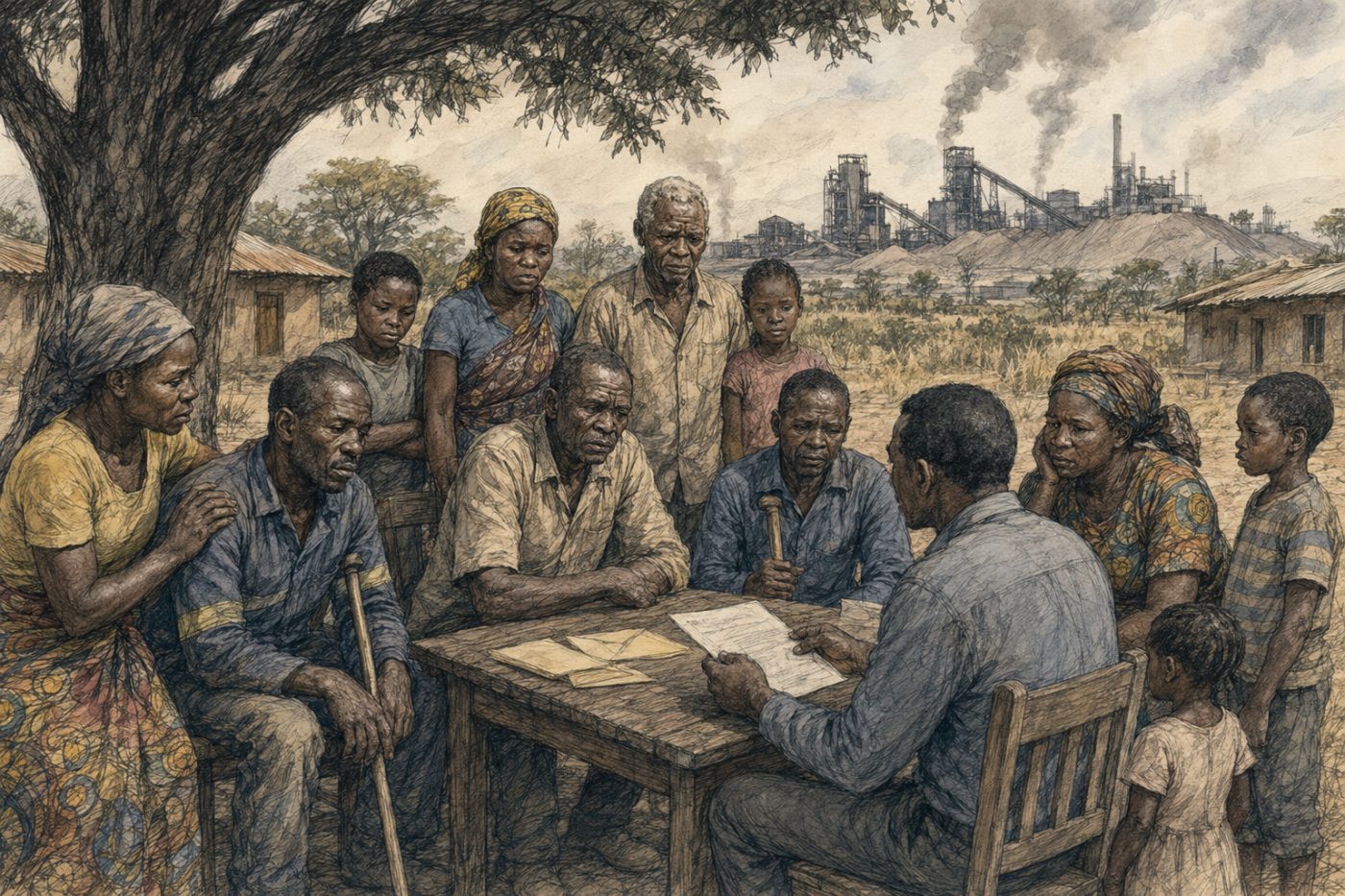
One year later, in December 2024, CEJ held a press briefing to update the public on progress on the case. Unfortunately, the number of workers suffering from severe health problems went up to 35. While SAFAL proceeded to compensate affected mine workers, community members maintain that the compensation packages are coming short of providing the needed support. There is no transparency around the compensation, and they allegedly do not cover for the negative impact on families’ livelihoods. Community members are not happy with the solution, given that many are now permanently disabled because of manganism.
Today, SAFAL keeps operating in Serenje.
Story image set